For years, Formula 1 marketed itself to people who already loved Formula 1. Then it let the cameras into the paddock, handed the story to Netflix, and found a whole new audience who had never watched a race.
The play
Drive to Survive launched on Netflix in 2019. It wasn't really about the racing. It was about the people: the team bosses arguing on the pit wall, the drivers fighting for their seats, the rivalries, the pressure and the money.
That mattered because, before the series, F1 was famously protective. Footage was tightly controlled and drivers were hard to get close to. Opening up the paddock was a big decision, and it changed who F1 was talking to.
Some of the show's biggest stars weren't even drivers. Haas team principal Guenther Steiner became a favourite with viewers who couldn't have named a single car.
Why it worked
It went where the audience already was. People who love long-form drama spend their evenings on Netflix, not on motorsport channels. The series met them on a sofa they were already sitting on.
It sold the people first. Nobody falls for a fixture list. They fall for characters. Once viewers had someone to root for and someone to root against, the races had stakes. They wanted to know how it ended.
And it gave them a reason to come back. Every season had new storylines, and every race weekend became the next episode.
Nobody falls for a fixture list. They fall for characters.
What happened next
F1's audience in the United States grew fast, in a market it had struggled with for decades. The calendar followed the fans: Miami joined in 2022 and Las Vegas in 2023, alongside Austin. A sport that once felt European and closed started to feel like an event.
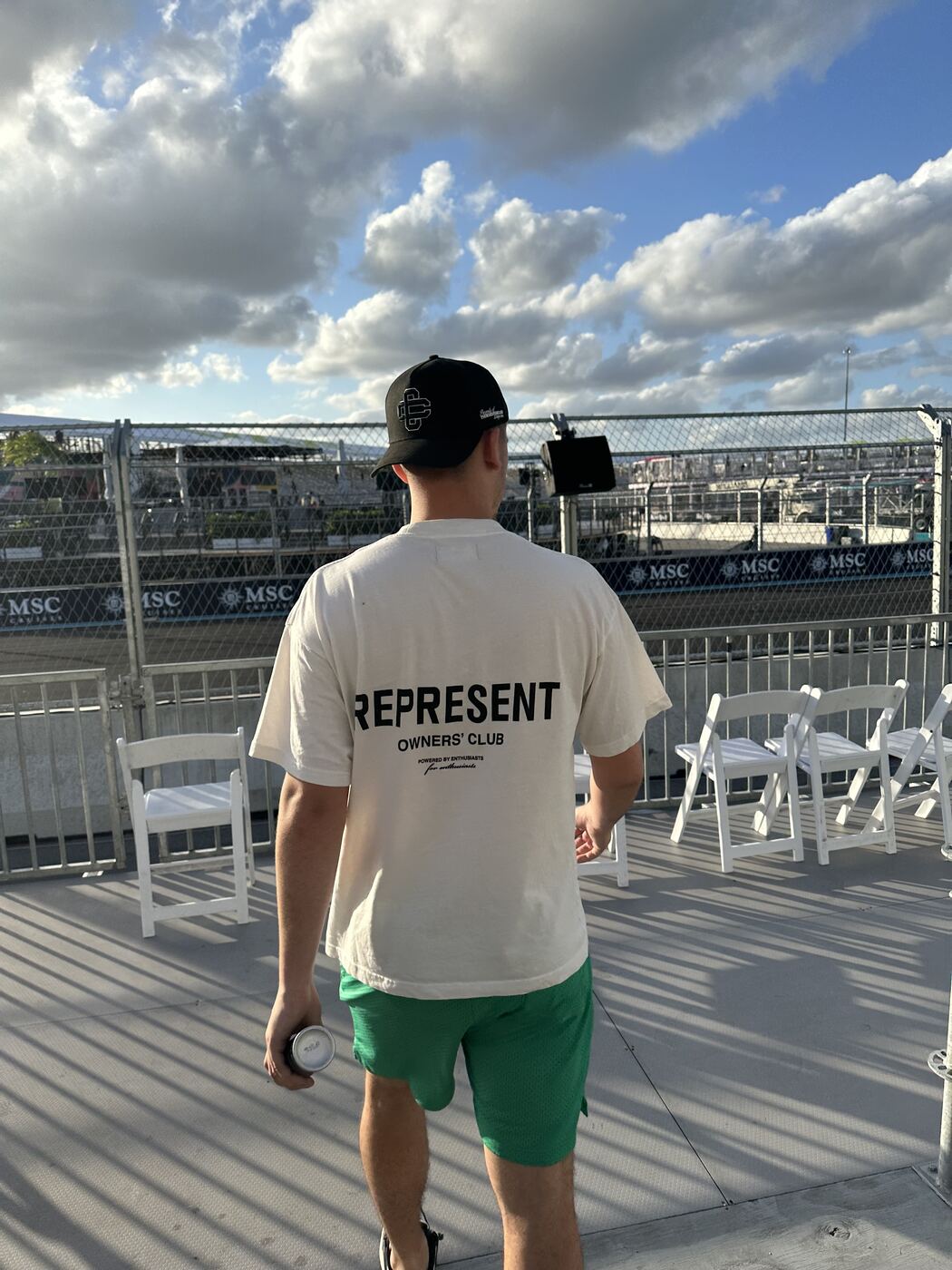
I was at F1 Miami. The crowd was full of people who had come for the occasion as much as the racing: the fits, the music, the food, the people. That's what a sport looks like when it has grown past its core fans.
Why the copies struggled
Plenty of sports tried to bottle the same thing. Netflix followed with series on golf, tennis and cycling. Some found an audience. Others didn't last, and the tennis series ended after two seasons.
The lesson is that access on its own isn't enough. Drive to Survive worked because F1 already had the ingredients: a small cast of characters, real rivalries, and a season where everyone fights everyone, every other weekend. A camera only helps if there's a story in front of it.
The dormant demand behind it
This is dormant demand in action. The interest in F1's people was always there: the drama, the danger, the personalities. It just had nowhere to go, because the sport only offered the race.
Drive to Survive built a smaller door. You didn't need to understand tyre strategy to watch it. You just needed to care what happened to the people.
Steal this
- 01
Find where your future fans spend their time
Not where your current fans are. Where the people you want are. For F1, that was Netflix.
- 02
Sell the people before the product
Personalities, rivalries and stories pull people in. The sport keeps them.
- 03
Give up a bit of control
Letting the cameras in is uncomfortable. It's also what makes the story feel real.
- 04
Make every week the next episode
A story with a next chapter turns curiosity into a habit.
You don't need a Netflix deal to do this. You need to decide who you want to reach, and tell them the story they'd actually watch.
01 · The idea behind itDormant demand.Dormant demand is passion that's fully formed but has never been given a product: fans who already care, waiting for something to watch, buy or join.Read the idea →