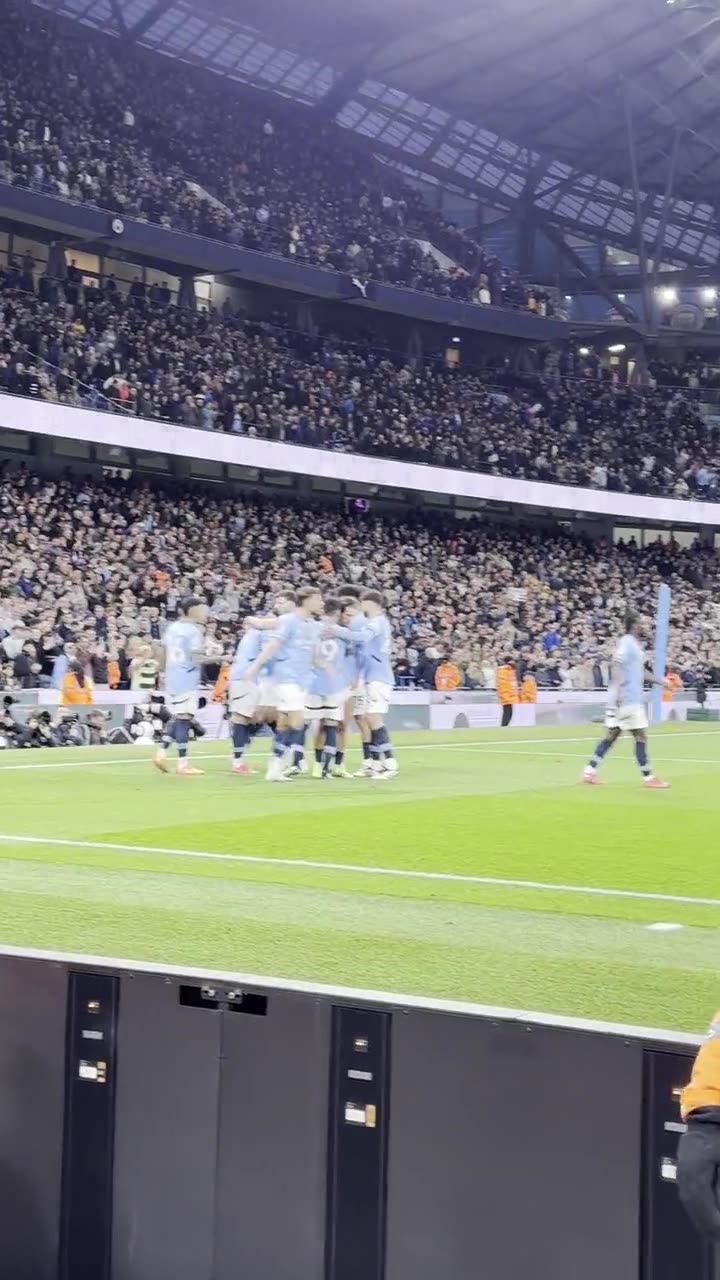
Ask a twenty-year-old football fan what they watched last weekend and the honest answer is often: clips. A goal from one game, a row from another, a manager losing it in a press conference, a player's fit in the tunnel. Most of it wasn't posted by the club or the broadcaster. Somebody else cut it, captioned it and put it in front of them.
How most people actually watch sport now
The feed decides what people see. TikTok, Reels and Shorts all reward short, vertical video that grabs you in the first second. A full match doesn't do that. Ten seconds of a match can.
So the moment travels without the match. And the people moving it around aren't the ones who own it. They're fans with clip accounts, meme pages, creators reacting to the game, and editors who know exactly which second will stop a thumb.
Streamers built a business on it
The biggest live streamers worked this out years ago. Almost nobody watches eight hours of a stream. Millions watch the best thirty seconds of it.
So streamers stopped fighting clippers and started working with them. Many let fans clip freely. Some go further and pay clippers by the view, rewarding whoever makes a moment travel furthest. The stream is where the content is made. The clips are where the audience is found.
The stream is the source. The clips are the marketing.
IShowSpeed is a good example from football. A huge number of people know him for football moments they have only ever seen as clips: a reaction, a celebration, a trip to a stadium. The clips did the marketing. The live streams are where the most loyal fans end up.
Why sport finds this hard
Sport has a good reason to be careful. Live rights pay for the whole thing: the players, the clubs and the leagues. If the match is free everywhere, the money that funds it disappears.
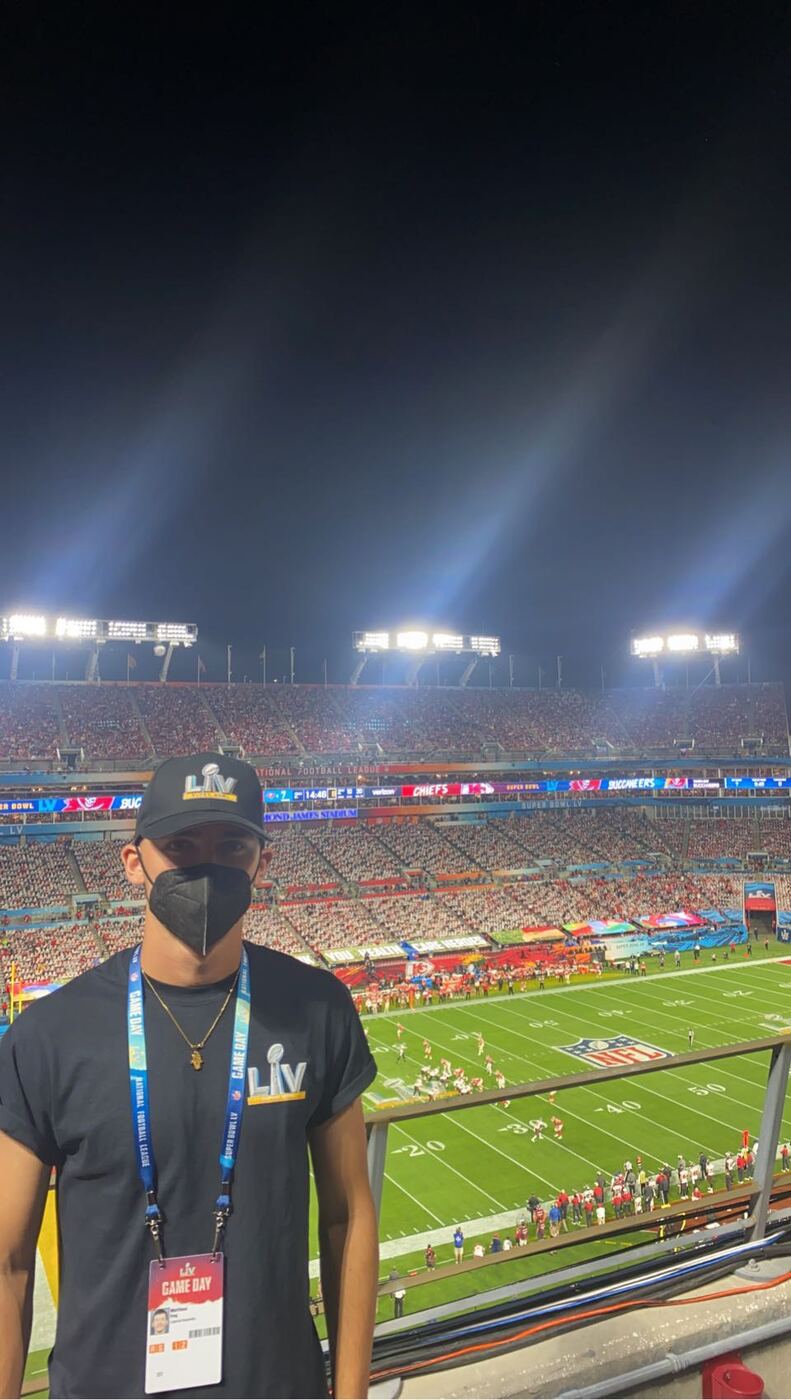
But there's a difference between the match and the moments around it. The press conference line, the reaction on the bench, the walk into the stadium, the celebration in the stands. None of those replace watching the game. Most of them make people want to watch it.
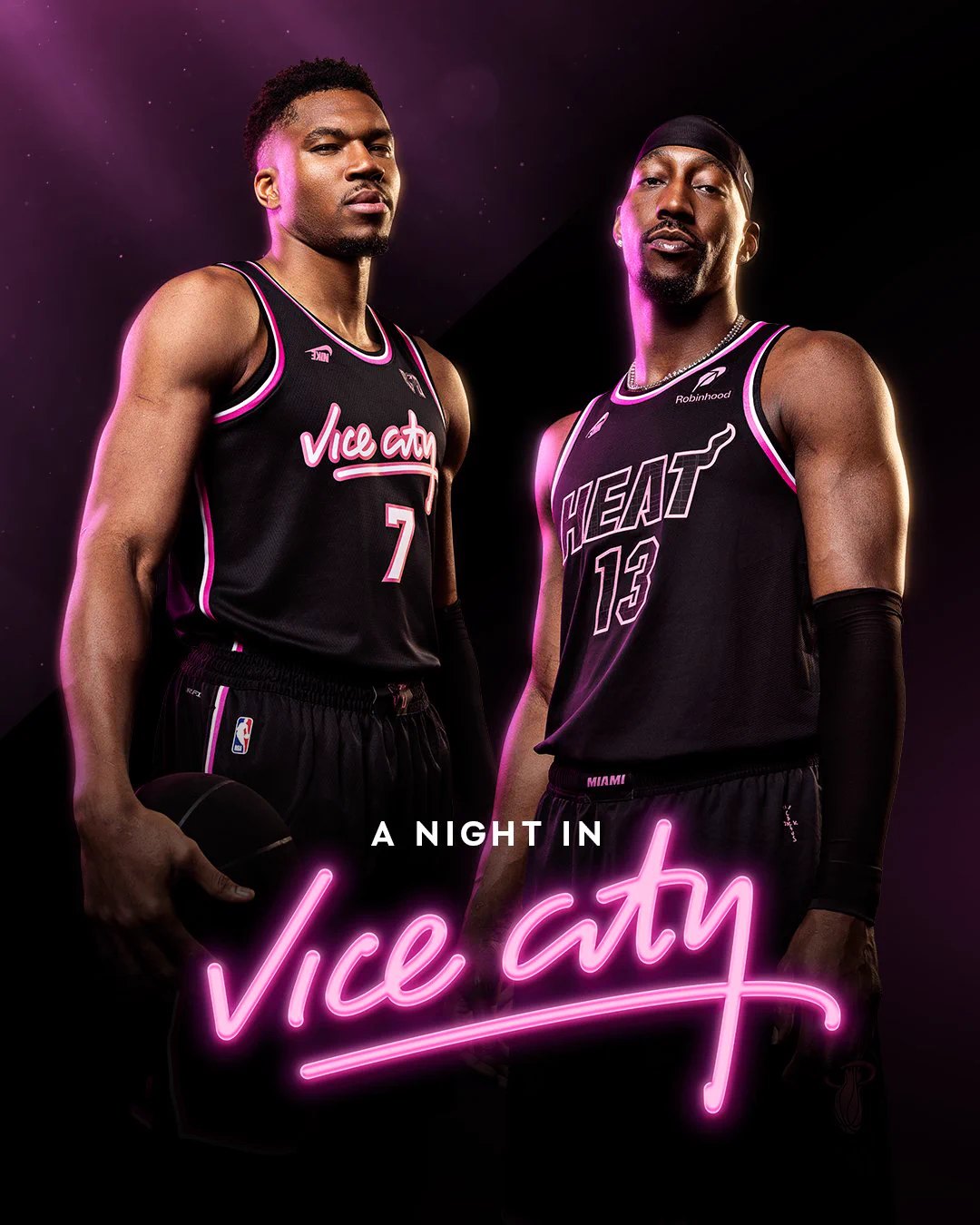
Some sports have leaned into that more than others. The NBA has long been more relaxed than most about highlights on social media, and its players became some of the most followed athletes online. The moments travelled, and the stars came with them.
The clip is where dormant demand wakes up
This is the link to dormant demand. Millions of people care about sport's people without ever watching the sport. A clip is usually the first time that interest gets pointed at anything. It's the shop window.
If the window is empty, or locked, those people walk straight past. If it's full of the right moments, some of them come inside.
What sport can steal from it
- 01
Decide which moments are marketing
Not everything should travel. The match is the product. The personalities, the reactions and the off-pitch moments are the advert. Be clear which is which.
- 02
Make the advert easy to share
Cut the moments yourself, fast, in the formats the feeds reward. Better still, give creators what they need to cut them well.
- 03
Work with the clippers, not against them
The people already clipping your sport are doing your marketing for free. Find the good ones. Brief them, credit them, and give them access others don't get.
- 04
Always leave a route back
Every clip should make it obvious where the full thing is. Otherwise you've created attention with nowhere to go.
- 05
Measure the moments, not just the match
Track which clips travel and who watches them. That tells you where your next fans are, and what they care about.
The balance
None of this means giving the match away. Live sport is valuable because it's protected, and that matters. It means being deliberate about the moments around it, and letting those go as far as they possibly can.
The sports that grow fastest over the next decade will be the ones that treat the clip as the start of a fan's journey, not a leak from the end of it.
01 · The idea behind itDormant demand.Dormant demand is passion that's fully formed but has never been given a product: fans who already care, waiting for something to watch, buy or join.Read the idea →