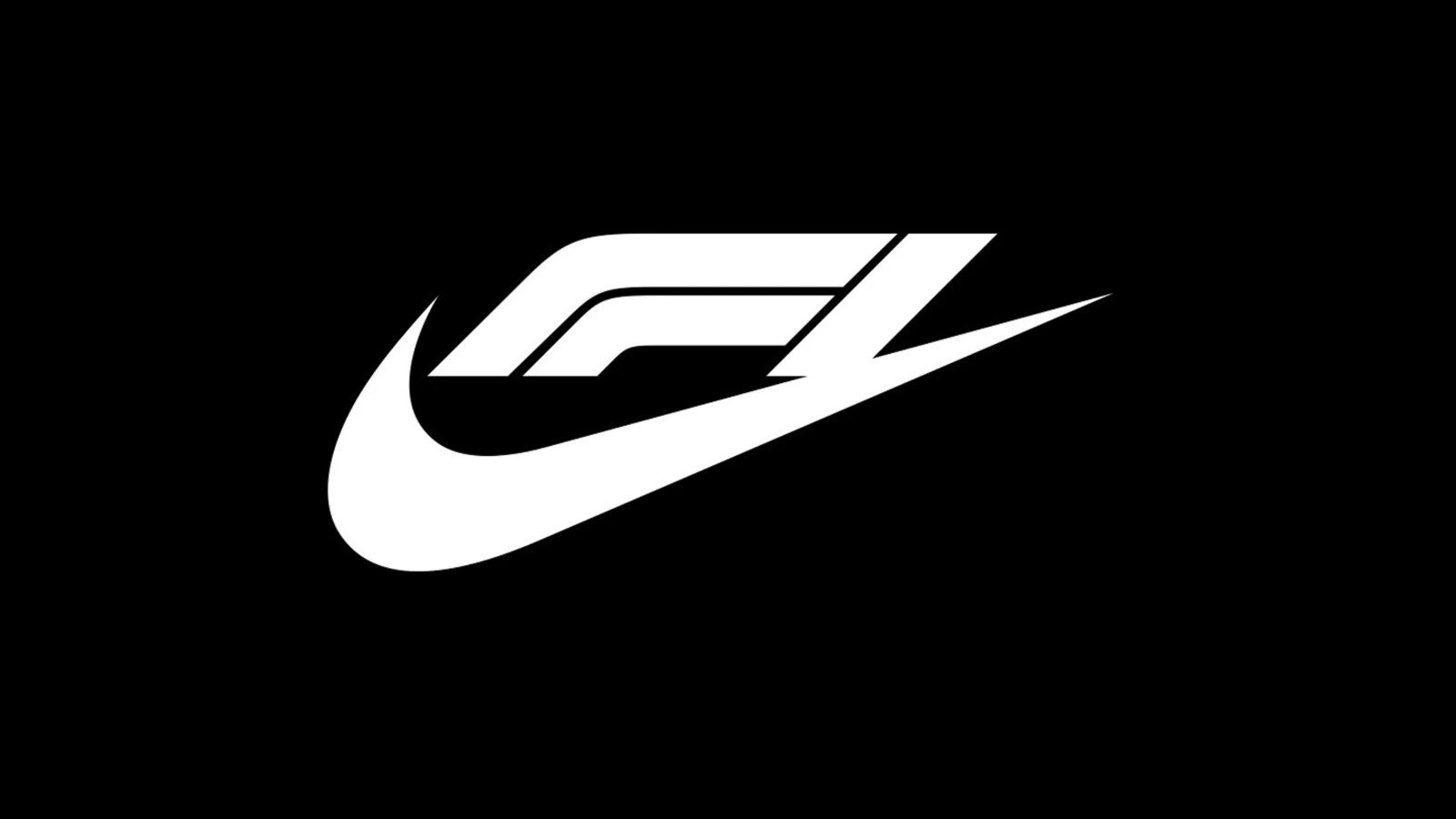
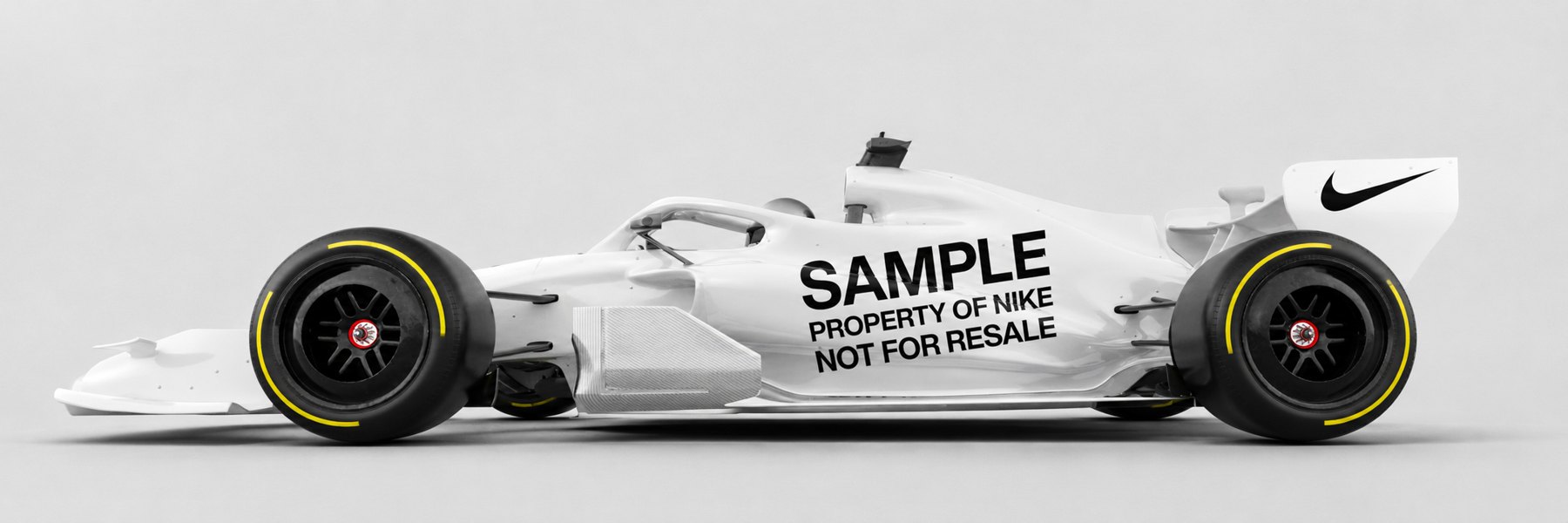
On 20 November, the week of the Las Vegas Grand Prix, Formula 1 announced a multi-year partnership with Nike. From 2027 Nike becomes an official partner of the sport and its official apparel and uniform supplier. And fans didn't have to wait: a Las Vegas Grand Prix × Nike capsule went on sale the same day. It's a clothing deal on paper. In practice, it's F1 deciding what kind of brand it wants to be.
What happened
The deal covers more than kit. Nike will make co-branded uniforms for F1's staff at races around the world, design Formula 1 × Nike collections of clothing, footwear and accessories for fans, and run activations and fan experiences on race weekends. Nike also becomes the official sportswear partner of F1 Academy, the all-female racing series.
It doesn't change what the teams wear. Ferrari, McLaren and the rest keep their own kit deals. This is about the sport itself, the F1 brand, getting a lifestyle partner.
F1's chief executive, Stefano Domenicali, said it plainly: Nike's ability "to sit at the intersection of sport, culture and inspiration makes them the ideal partner as we enter our next chapter." He called it "far more than a commercial partnership."
Why Nike, and why now
F1 has spent the last few years turning itself from a race into a lifestyle. Drive to Survive sold the drivers as characters. Las Vegas turned a Grand Prix into a week-long show. Paddock fashion has become its own genre, with drivers' arrival outfits getting as much attention online as qualifying.
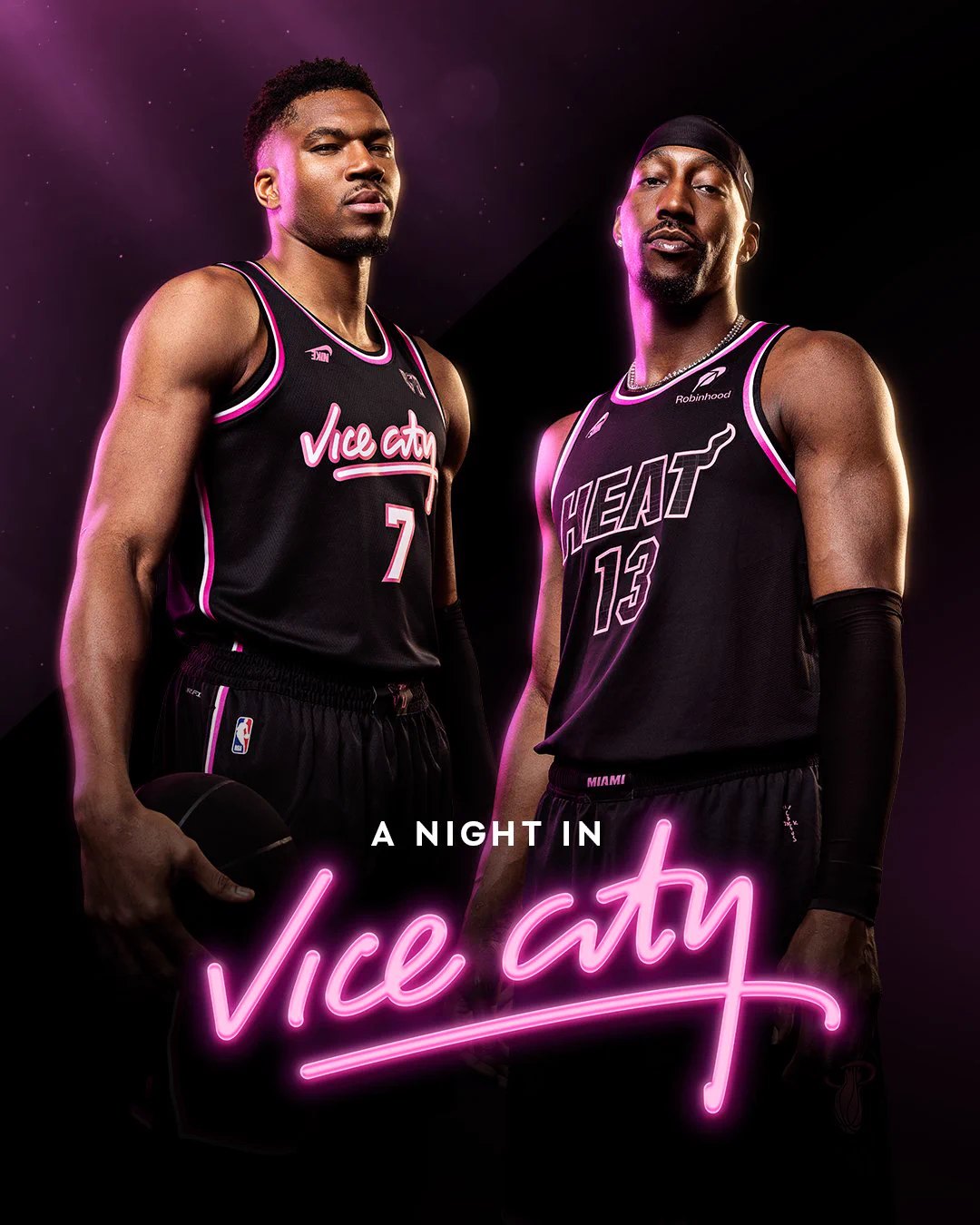
The missing piece was the thing people wear. A lot of the new F1 audience will never sit through a full race. But they'll wear the brand if it looks good, the same way millions of people wear NBA jerseys without watching a game. Nike is the brand that knows how to make that happen. It has done it with basketball, with running and with football shirts that people wear to the pub, not the pitch.
The next F1 fan might never watch a full race. They'll still wear the brand.
Merch as the side door
This is the side door at work. You reach new fans through what they already love, then put the sport in that world. For a huge number of young people, what they already love is fashion and trainers. A good Nike collection with an F1 logo on it puts the sport in front of them in a shop window, on a feed and on other people, long before it reaches them on a TV.
And clothing does something that broadcast can't. Every person wearing it becomes a small advert in their own circle. It's the same reason a club shirt in a new market matters more than a press release.
Dropping it in Vegas was the smart part
F1 didn't announce the deal and then make fans wait two years. It put product on sale in the city where the sport was that week, at the F1 Hub and Nike stores across Las Vegas. That turns a press release into a moment: something you can queue for, buy, post and say you got first.
Including F1 Academy matters too. Putting Nike behind the women's series tells a new audience, and a lot of young girls, that this sport is for them as well.
What sport and brands can steal from it
- 01
Find out who wears you but doesn't watch you
Those people are already fans in a way. Make the product they want, not just more matches for them.
- 02
Partner with the brand your next fans already love
F1 didn't need a motorsport supplier. It needed the brand young people already buy from.
- 03
Launch with something to buy
Announce and drop on the same day, in the right place, so the news becomes a moment people can take part in.
- 04
Use the deal to open doors, not just make money
F1 Academy is in the deal for a reason. A partnership can bring a whole new audience in, if you point it at one.
- 05
Make it look good enough to wear without the sport
The test of fan clothing is whether someone who doesn't follow the sport would still wear it.